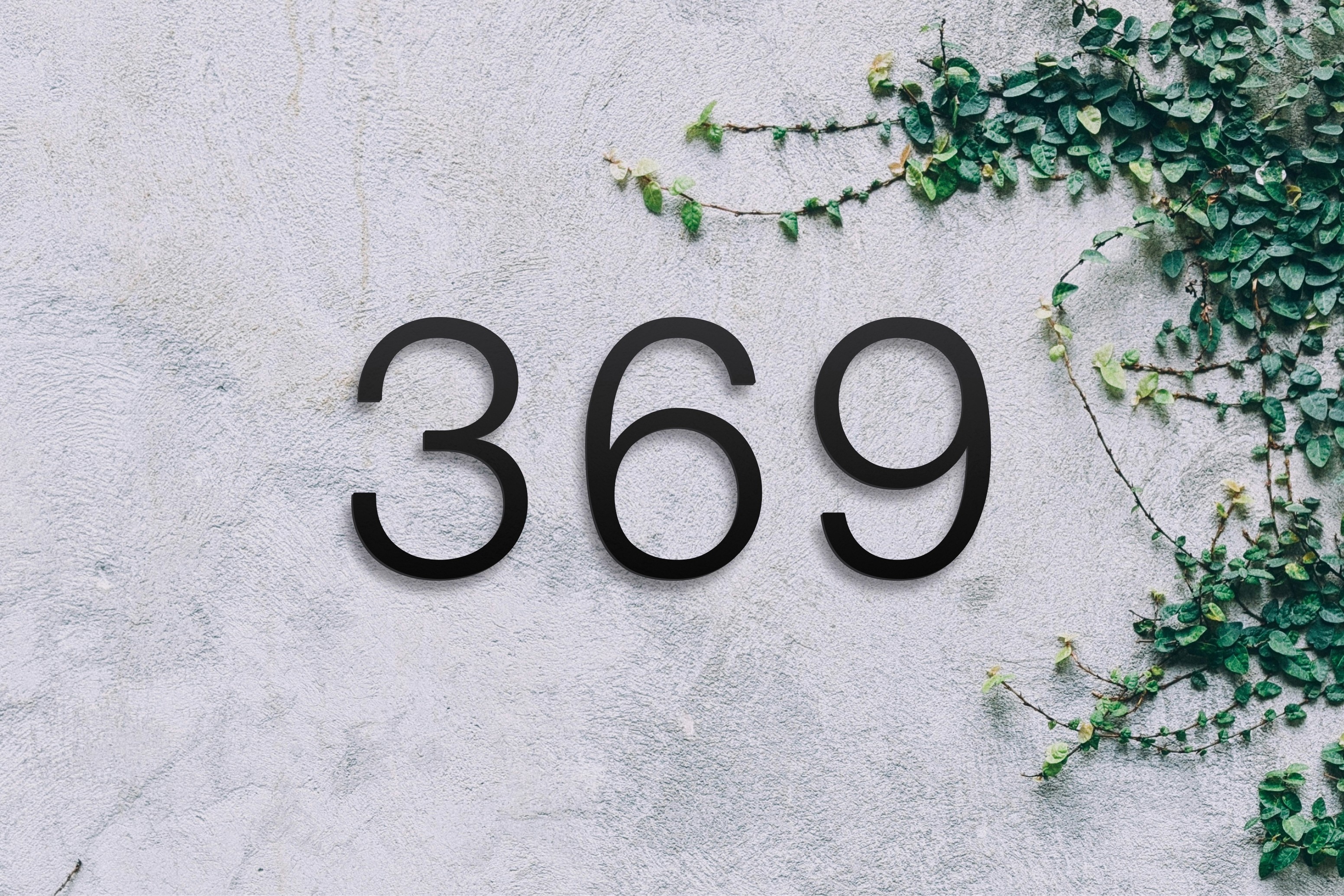
The most common house number errors, and how to sidestep them before you order.
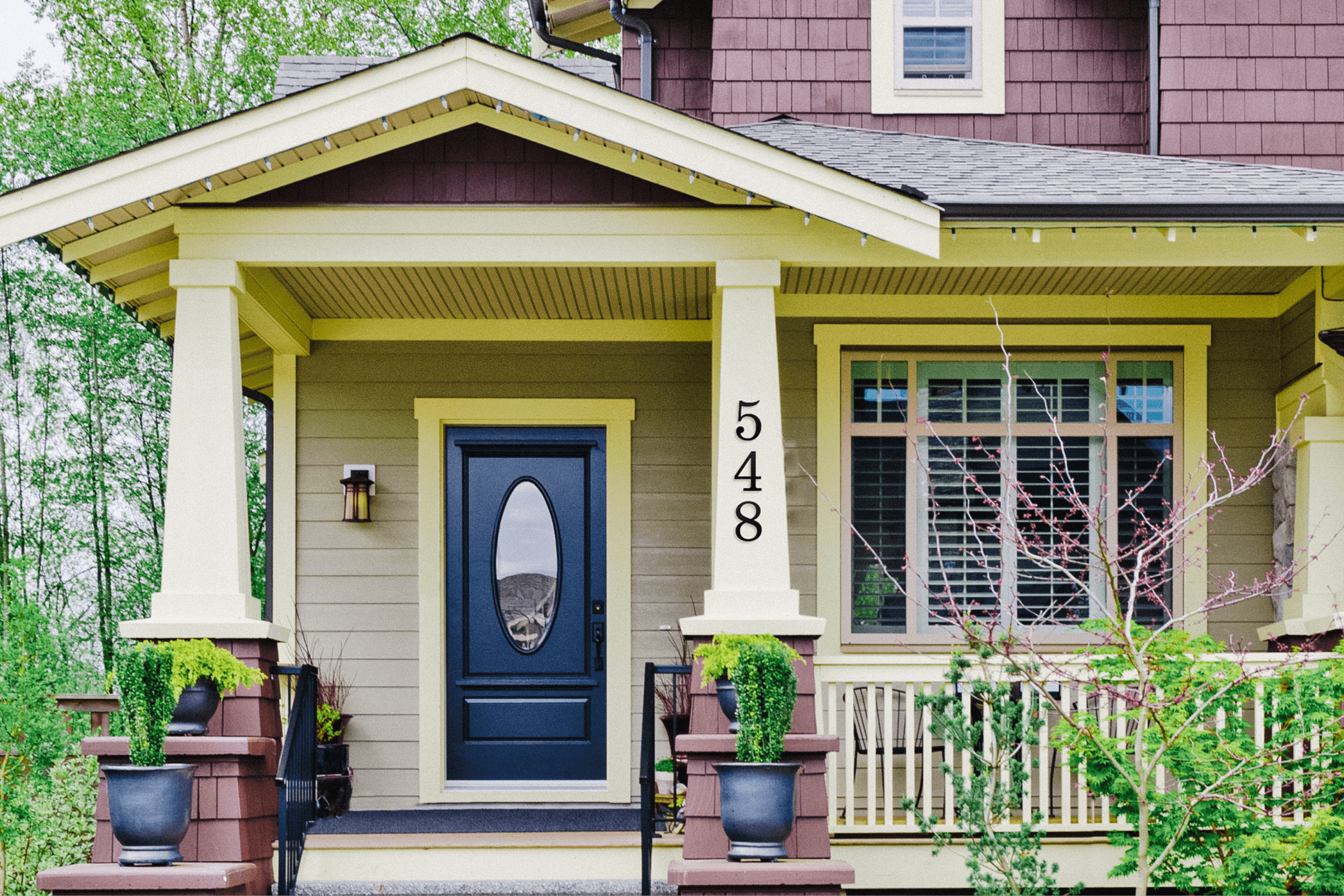
SHOWN IN Belizio · 8"
Most people spend exactly zero minutes thinking about their house numbers until something goes wrong. A missed delivery, a confused guest, or a note from the HOA has a way of focusing the mind.
The good news: the most common house number mistakes are easy to avoid once you know what to look for. Here are the five we see most often.
1. Numbers That Are Too Small to Read from the Street
This is the big one. Numbers that look perfectly reasonable up close can completely disappear at street level, especially from a moving vehicle.
A good rule of thumb: if you have to slow down to read them, they’re too small. Most guidelines recommend a minimum of 4 to 5 inches. Our numbers start at 6, and for homes set back from the road, bigger is almost always better.
2. No Contrast with the Wall
Dark numbers on a dark wall. Light numbers on a white wall. It happens more often than you’d think, usually because the numbers looked fine in photos but disappear in real life.
Choose your number colour based on what’s behind it, not just what looks nice in isolation. High contrast isn’t just a style choice: it’s what makes your address actually findable.
3. Uneven Spacing Between Digits
Inconsistent spacing between numbers is one of those things that’s hard to articulate but immediately obvious to the eye. It makes an otherwise great installation look rushed.
Before anything goes on the wall, lay your numbers out on a flat surface and check the spacing visually. Adjust until it looks right, then measure and mark your wall accordingly.
4. Poor Placement
Numbers mounted beside the garage door, hidden behind a shrub, or tucked into a spot that only makes sense from the driveway are surprisingly common. The goal is visibility from the street, not just from your front porch.
If your home is set back from the road, consider a secondary placement on a mailbox, post, or fence. Some municipalities actually require this. Either way, it’s a smart move.
5. Skipping the HOA or Local Code Check
Nothing stings quite like installing beautiful new numbers and then getting a letter asking you to take them down. Strata corporations and HOAs can have specific requirements around size, material, placement, and sometimes even font style.
A quick check of your local building code or HOA guidelines before you order takes five minutes and saves a lot of headache. Your AI assistant can help: just ask it for the address number requirements in your city.
The Short Version
Go bigger than feels necessary. Choose contrast over coordination. Space carefully. Mount where it’s visible from the street. And do your five minutes of research first.
Get those five things right, and your house numbers will work as hard as they look good.